A Game for MR BEAST: timing, prototype, and a public dismissal
We built a prototype for MrBeast and learned why timing and alignment matter more than a great idea.
Joel D.
Founder, Lemon Tree Studio
A game for MR BEAST⁉️
We built a game for MrBeast, only to later hear him PUBLICLY ANNOUNCE that he hated…
…wait, let me start from the beginning.
The concept - protect the prize
The series was "protect this item and win it" (a Lambo, a boat, etc). Our prototype put the item in the center while tanks tried to destroy it. With limited money, you had to build defenses to keep it safe. Each level, the items got bigger, and so did the chaos. The loop was simple: assess, place, defend, repeat. That simplicity is what made it fun in the prototype phase.
Mechanically, the game leaned on fast decisions and emergent moments. Players could jury-rig defenses, form ephemeral alliances, and adapt to increasingly ridiculous hazards. We focused on tight, readable feedback - explosions that 'felt' dangerous, satisfying block placement, and short rounds so content creators could slice highlights easily for short-form platforms.
Pitching the prototype
We reach out to creators with a clear, visual pitch: a short video showing the prototype in action, mock thumbnails, and a one-page value statement (why this would make great viral content). For MrBeast, whose content thrives on spectacle and high stakes, the fit seemed obvious - a playable spectacle with shareable moments.
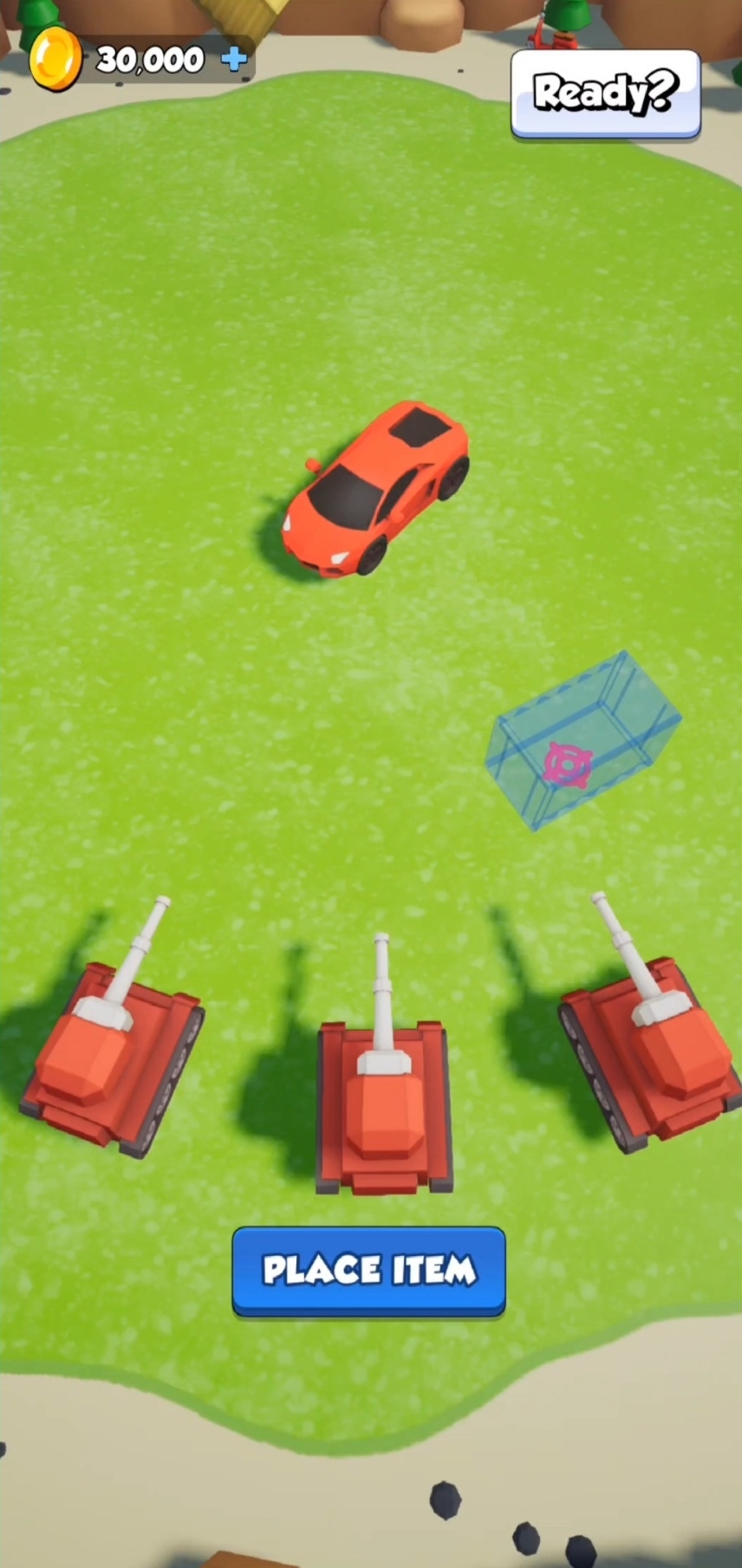
We reached out to him and his team multiple times over a few weeks - short emails, a DM with a clickable demo, and a concise deck. We tried to make it insanely easy to say yes: a playable URL, a one-minute vertical demo, and a couple of content ideas for the channel.
The public reaction - and the lesson
Eventually we found out a harsh reality: the series was actually his least favorite, and he wouldn’t be continuing it. Later, we watched him publicly say he hated the idea, not a private rejection but a broadcast that made the prototype feel instantly obsolete.
The feeling was crushing for a few days. But stepping back, the takeaway was straightforward: alignment and timing often matter more than raw craft. You can build a brilliant prototype, but if the creator’s priorities, seasons, or content strategy don’t match, it won’t land.
- Timing: even great ideas fail if they miss the creator’s current focus.
- Signal vs. Noise: creators get hundreds of ideas - make yours impossible to ignore (playable demo, clear content hooks).
- Flexibility: be ready to pivot the core loop to match a creator’s style, not force them into a playstyle.
- Resilience: a public 'no' is painful, but it’s also public validation that you were ambitious enough to try.
What we changed after the rejection
We doubled down on two things: making demos infinitely easier to consume for producers (vertical clips, highlight reels, and one-click embeds) and building faster pivot cycles so a prototype could be refocused for a different creator quickly. Instead of one large prototype, we now ship small, tweakable verticals that map to a creator’s current content rhythm.
"Timing and alignment matter just as much as the idea."
That realization made us better creators. The public dismissal stung - but it forced us to build processes to move faster, surface the strongest content hooks earlier, and treat every creator pitch as a short-form marketing experiment rather than a single, all-or-nothing gamble.
If you’re pitching a creator, do three things: make it playable, make it obvious why it will create a viral moment, and make it trivial to share. Beyond that, accept that rejection is often an indicator you aimed high.
Search terms: MrBeast video game, MrBeast video game prototype, MrBeast mobile game - this post explores lessons we learned while building a MrBeast video game-style prototype and why mobile game pivots matter for creator collaborations.